
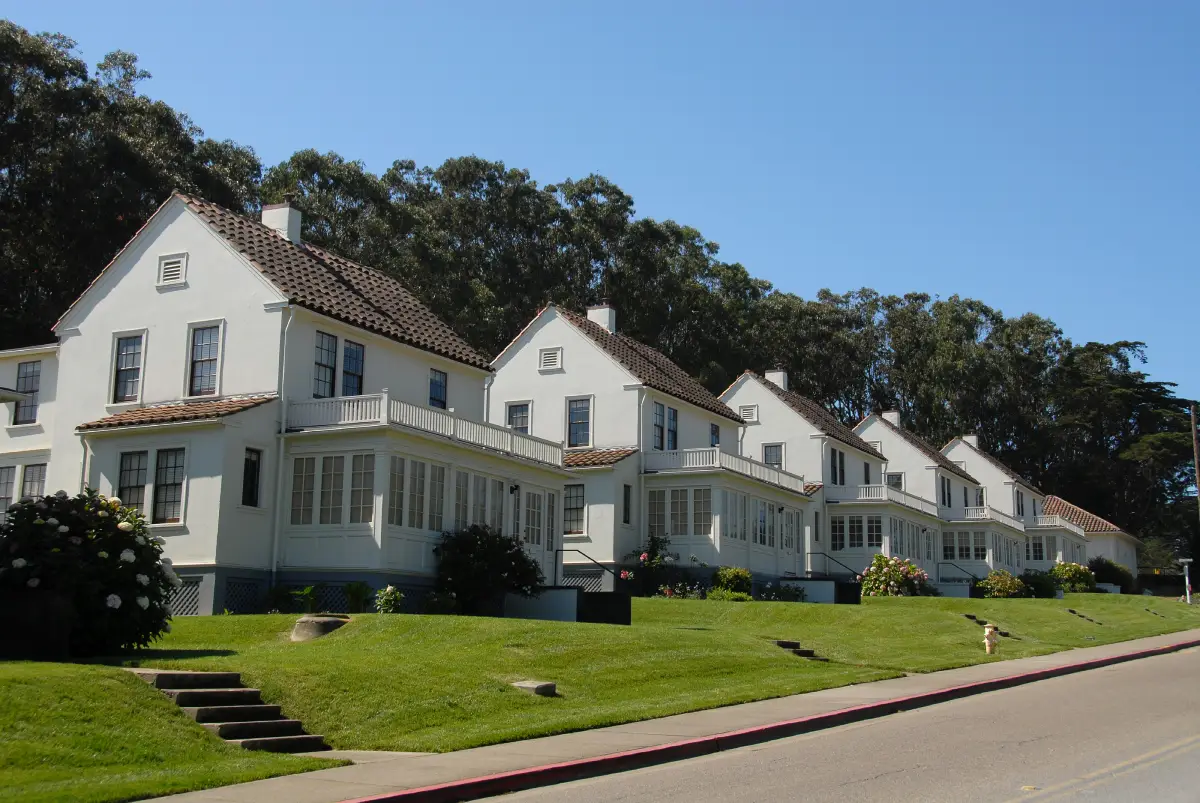
Neighborhood standards shape how residents experience daily life in HOA communities. In Charlotte, where many residential neighborhoods continue to grow, boards often face pressure to enforce rules consistently while still handling real-life situations fairly. That balance can be difficult when homeowners expect equal treatment but also want understanding during unexpected circumstances.
Many associations are seeing more resident involvement, stronger opinions, and closer attention to enforcement decisions. According to research showing that 86% of residents in community associations report positive or neutral experiences, trust remains closely tied to how rules are communicated and enforced.
At PMI Queen City, we help Charlotte associations create enforcement systems that protect property values without creating unnecessary tension. Communities operate more smoothly when rules feel fair, practical, and clearly explained.
Key Takeaways
- Consistent HOA enforcement helps residents understand expectations and community standards.
- Rigid enforcement without flexibility can increase homeowner frustration and disputes.
- Clear communication improves cooperation and reduces misunderstandings between boards and residents.
- Proper documentation helps associations apply rules fairly across different situations.
- Flexible enforcement strategies strengthen long-term trust within Charlotte HOA communities.
Why Consistency Matters in Charlotte HOA Communities
Every HOA depends on structure to maintain order. Residents want confidence that rules apply evenly across the neighborhood. Consistency also protects boards from accusations of favoritism or selective enforcement.
Charlotte communities continue expanding across residential areas with varying property styles, amenities, and homeowner expectations. As neighborhoods grow, associations need systems that support fairness while keeping operations manageable.
Our team often sees communities benefit from establishing clear procedures through professional HOA management. Residents respond more positively when expectations remain predictable and communication stays organized.
Consistency Creates Resident Confidence
Homeowners feel more secure when they know how violations are handled. Predictable processes reduce confusion and help boards avoid unnecessary disputes.
Consistency also encourages voluntary compliance. Residents are more likely to follow rules when they believe enforcement applies evenly throughout the neighborhood.
Higher Expectations Increase Scrutiny
The more structured enforcement becomes, the more attention residents pay to every decision. Small exceptions can quickly raise questions if boards fail to explain the reasoning behind them.
This pressure can place volunteer board members in difficult positions, especially when balancing community standards against unique homeowner situations.
Strict Enforcement Can Create Unnecessary Friction
Rules help communities operate smoothly, but rigid enforcement sometimes creates more conflict than resolution. Residents may feel unheard when boards apply policies without considering circumstances.
Charlotte homeowners often deal with temporary issues involving family emergencies, contractor delays, medical situations, or unexpected financial strain. Ignoring context can make otherwise reasonable rules feel punitive.
Associations that focus heavily on penalties sometimes weaken community cooperation over time. Boards should aim for accountability while still maintaining professionalism and empathy.
Common Situations That Trigger Conflict
Certain enforcement situations tend to create stronger resident reactions, including:
- repeated notices without explanation
- fines issued before communication attempts
- inconsistent response timelines
- unclear documentation requirements
These problems often grow in communities struggling with participation or communication gaps. Stronger community compliance practices help associations reduce confusion before issues escalate.
Resident Frustration Builds Gradually
Most disputes do not begin with major violations. Frustration usually develops over repeated interactions that feel impersonal or inflexible.
Boards that fail to communicate clearly may unintentionally create an environment where residents become defensive instead of cooperative.
Communication Shapes How Residents Respond
The tone of enforcement matters almost as much as the rule itself. A short or generic violation notice can quickly feel confrontational when homeowners do not understand the purpose behind the policy.
Associations across the country continue handling large enforcement workloads. Industry data shows managers may juggle as many as 42 active violation cases at one time, making efficient communication increasingly important.
At PMI Queen City, we encourage associations to simplify communication and focus on clarity. Residents are more likely to cooperate when notices feel informative rather than accusatory.
Clear Communication Reduces Escalation
Effective enforcement communication should include:
- a direct explanation of the issue
- a reasonable timeline for correction
- instructions for questions or appeals
- respectful language focused on resolution
Boards often reduce repeat disputes when communication stays calm, organized, and transparent.
Timing Also Affects Resident Reactions
Sending notices too aggressively can increase tension. Residents appreciate fair timelines that acknowledge scheduling challenges or contractor availability.
This becomes especially important during leadership transitions. Communities experiencing board leadership changes often face inconsistent communication while new board members adjust to responsibilities.
Flexible Enforcement Strengthens Long-Term Compliance
Flexibility does not mean abandoning community standards. Strong associations maintain clear rules while allowing structured discretion for unusual situations.
Residents tend to respond more positively when boards demonstrate fairness alongside consistency. That trust supports stronger long-term compliance throughout the neighborhood.
Create Guidelines for Exceptions
Boards should establish written policies explaining when exceptions may apply. Clear standards help prevent confusion while protecting the association from claims of unfair treatment.
Examples may include:
- temporary hardship situations
- weather-related delays
- approved contractor scheduling issues
- medical-related circumstances
When flexibility follows documented procedures, residents understand that decisions are based on policy rather than favoritism.
Documentation Protects the Association
Every exception should include written records explaining:
- the reason for the decision
- communication history
- deadlines provided
- follow-up expectations
Strong documentation creates transparency and helps future boards maintain continuity.
Associations also benefit from organized financial systems. Clear procedures surrounding assessment collection strategies help reduce disputes connected to fines, late fees, and resident concerns about fairness.
Inspections Help Prevent Bigger Problems
Many enforcement conflicts begin because residents feel surprised by notices. Proactive inspections help boards identify concerns early before issues become more serious.
Routine inspections also create consistency by applying the same review standards across the community.
Preventive Approaches Improve Cooperation
Associations often improve compliance by focusing on:
- advance reminders
- seasonal maintenance notices
- educational updates
- proactive follow-up communication
These steps encourage homeowners to address concerns voluntarily before formal violations become necessary.
Communities using structured property inspection services often reduce repeated enforcement issues because expectations stay visible throughout the year.
Consistency Should Still Feel Reasonable
Residents understand that rules matter. Problems usually arise when enforcement appears disconnected from practical realities.
Boards that prioritize communication, transparency, and fairness often build stronger relationships with homeowners while still maintaining community standards.
FAQs about HOA Rule Enforcement in Charlotte, NC
Why do some homeowners react negatively to HOA violation notices?
Many residents become frustrated when notices feel impersonal or unclear. Homeowners are more likely to cooperate when associations explain the reason behind the rule, provide practical solutions, and communicate respectfully throughout the enforcement process.
Can stricter HOA enforcement affect neighborhood relationships?
Yes. Excessive enforcement can create tension between neighbors, especially when residents feel they are constantly monitored. Balanced policies and fair communication help preserve positive community relationships while still maintaining neighborhood standards and property appearance.
How often should Charlotte HOAs review their enforcement policies?
Associations should review enforcement policies regularly to address changing community needs, updated local regulations, and recurring homeowner concerns. Routine evaluations help boards improve consistency, eliminate confusion, and maintain procedures that feel practical for residents.
What role do HOA board members play in conflict prevention?
Board members help prevent disputes by applying rules consistently, communicating calmly, and responding to concerns promptly. Professional behavior from leadership encourages cooperation and helps residents feel more confident about how community decisions are handled.
Why do documented enforcement procedures matter for HOA communities?
Written procedures create transparency and help boards apply rules fairly across different situations. Proper documentation also protects associations during disputes by showing that decisions followed established guidelines rather than personal opinions or inconsistent enforcement practices.
Clearer HOA Standards for Stronger Charlotte Communities
Healthy HOA communities depend on trust, structure, and communication working together. Rules protect neighborhood standards, but enforcement should also reflect real-world situations that homeowners face throughout the year.
At PMI Queen City, we help Charlotte associations create practical systems that support fairness, organization, and long-term resident cooperation. From inspections to communication strategies, our goal is to help communities operate more smoothly without unnecessary conflict.
If your association wants clearer enforcement processes and healthier resident communication, PMI Queen City can help your community operate with greater consistency and less friction through our services.
